Designing with Artificial Intelligence
Artificial Intelligence is transforming the creative world at an unprecedented pace. What once seemed like science fiction is now a powerful reality—AI can generate breathtaking artwork, hyper-realistic portraits, fantasy landscapes, and marketing-ready visuals in seconds. As AI art continues to evolve, several key trends are shaping its future and redefining how creators, businesses, and brands approach visual content.
1. Hyper-Realistic Image Generation
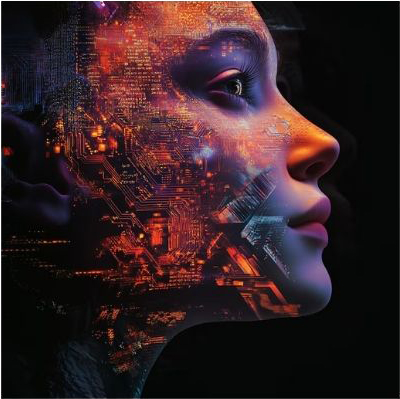
One of the most noticeable trends in AI art is the rise of ultra-realistic image creation. Advanced AI models can now produce visuals that are nearly indistinguishable from professional photography. From lifelike human expressions to intricate textures and lighting effects, AI-generated art is reaching cinematic levels of detail. This is especially valuable for marketing teams, product designers, and content creators who need high-quality visuals without expensive production costs.
2. Personalized Creative Control
Modern AI tools are moving beyond simple text prompts. Users now expect deeper customization—adjusting lighting, mood, camera angles, artistic style, and resolution. Fine-tuning capabilities allow creators to maintain artistic control while benefiting from automation. This balance between human creativity and machine intelligence is becoming the new standard in digital design.
3. AI as a Creative Partner
Rather than replacing artists, AI is becoming a collaborative tool. Designers use AI to brainstorm concepts, generate mood boards, and explore visual directions faster than ever before. It accelerates the early stages of the creative process, helping professionals move from idea to execution with greater efficiency. AI is no longer just a tool—it’s a co-creator.
4. Faster Content Production for Businesses
In today’s digital economy, brands need constant content for social media, websites, ads, and campaigns. AI art tools dramatically reduce turnaround times. What previously required hours of design work can now be generated in minutes. This speed allows businesses to test multiple creative variations, optimize campaigns, and respond quickly to trends.
5. Ethical AI and Responsible Creation
As AI art grows, discussions around ethics, originality, and responsible use are becoming more important. Platforms are investing in improved data transparency, content moderation, and secure image generation practices. The future of AI art will not only focus on innovation but also on building trust and maintaining creative integrity.
6. Integration with Creative Ecosystems
Another emerging trend is seamless integration. AI art platforms are increasingly connecting with design software, marketing tools, and content management systems. This creates a smooth workflow where AI-generated visuals can be edited, published, and distributed without friction. Automation and connectivity are shaping the next phase of digital creativity.